» Wine Varietals

From the category archives:

Wine Varietals

Zinfandel Wines

September 10, 2009

Zinfandel wines come from a red-skinned wine grape popular in California for its intense fruitiness and lush texture. Vintners use Zinfandel wine grapes to produce a wide range of Zinfandel wines styles including sweet White Zinfandels, light bodied reds reminiscent of Beaujolais Nouveau, full bodied dry reds, sweet late harvest dessert wines, and ports.

Vintners have grown Zinfandel wines grapes in California in quantity for over one hundred years. Many of the oldest wineries in the state grow Zinfandel wine grapes and the vines are now treated almost like historic landmarks. The vineyards survived Prohibition because the thick skins of the grape allowed it to survive shipping to home winemakers in eastern states.  The invention of White Zinfandel wine in the 1970s further saved the Zinfandel wines grape vines. In the 1990s the market for premium wine increased sufficiently that old vine Zinfandel became valuable on its own.

Zinfandel Wine Tip:

Look for Zinfandel wines from Napa, Amador and The Sierra Foothills. Sonoma in particular, was charmed. Look for these Zinfandel wines – Russian River, Alexander Valley and Dry Creek Valley appellations. You will find wines that have depth, color, concentration and balance as well as those exotic spices so unique to zins. Zinfandel wines are drinkable now, but will certainly not wilt in the cellar.

Read the full article →

White Zinfandel Wines

September 10, 2009

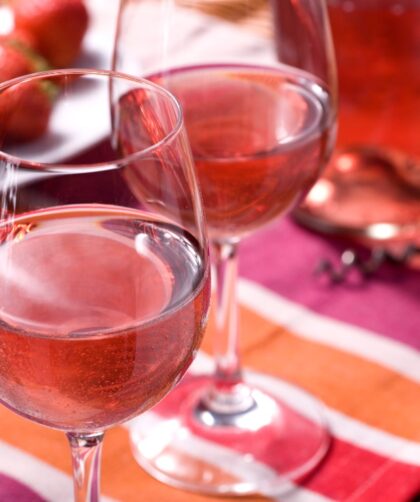
White Zinfandel wines are blush wines made in California from early-picked Zinfandel grapes. The red grapes are quickly separated from their skins during crushing and fermentation so that the resulting wine is very light pink; thus these wines have far less color, alcohol and flavors than normally fermented Zinfandels.

These blush wines have gained acclaim with many local and non-local wine enthusiasts. The light strawberry and cherry aromas and flavors are coupled with just enough acid to balance the modest residual sugar in this wine. The soft pink color catches the eye and the fruity bouquet begs the first sip. This wine is best served chilled with a nice picnic or try putting it in the freezer and serving it a little slushy. There’s nothing more refreshing on a warm summer day.

White Zinfandel Wine Tip:

Within this sweeter wine, a light creaminess is evident, with a refreshing crisp finish. Delicious enjoyed well-chilled as an aperitif, White Zinfandel wine is perfect partner to all types of foods, particularly those which have slight heat or spiciness such as Asian or Latin cuisine.

Read the full article →

Semillon Wines

September 10, 2009

Semillon wines are one of the subtle whites in the world of wine. For a low-acid wine, Semillon wines take to bottle age surprisingly well, and it’s often inexpensive enough to make laying some down for five years or so very easy. In Bordeaux, Semillon wine is used to fill out the leaner and higher acid Sauvignon Blanc, and the two complement each other very nicely. Semillon wines are often a brilliant gold color with a soft, full, and sometimes even oily texture, and often shows a scent of figs. It can be made dry or sweet.

Lemon, limes and honey are common in dry styles. Semillon wines will display wood character of toast without being oaked and as they age this toasty character will grow. Some Semillon wine will show a mineral or steely character with tight acid structure. Botrytis-affected fruits will produce exotic luscious Semillon wines of ripe peach, apricot and honey. With barrel ageing vanilla, caramel, spicy bacon, coconut, cedar and spice.

Semillon Wine Tip:

Semillon wines go well with seafood and fish – from oysters, clams and scallops to salmon and tilapia.

Read the full article →

Sauvignon Blanc Wines

September 10, 2009

Sauvignon Blanc wines are crisp, high in acidity and light- to medium-bodied, and Sauvignon Blanc wine is recognizable for its grassy, herbaceous flavor and aroma. When grown in warmer climates the flavors are more fruity, melon-like. The grape is important in California, New Zealand and Northeastern Italy, but it really shines in France’s Loire Valley and Bordeaux regions.

There it is used prodigiously as a blending grape and is responsible for the stand-alone varietals Sancerre and Pouilly-Fume. Though not as rich and complex as Chardonnay, Sauvignon Blanc is a versatile grape, one that grows well in a number of places, responds well to oak or a lack thereof, and can be drunk young or aged several years. As well, Sauvignon Blanc can make for some fabulous late-harvest offerings.

The most salient characteristic of Sauvignon Blanc wines are its distinctive, penetrating aroma, which can evoke scents of grapefruit, lime, green melon, gooseberry, passion fruit, freshly mown grass, and bell pepper. Grown in cooler climates and in fertile soils promoting excessive vine growth, herbaceous smells and flavors can dominate the character of Sauvignon Blanc wine, while in warmer regions, the melon, citrus and passion fruit aromas and flavors emerge.

Sauvignon Blanc Wine Tip:

Sauvignon Blanc wines acidic taste works in your favor, with oily-based dishes such as salads, and is perfect with lobster, oysters, scallops or in fact any type of fish. Sauvignon Blanc wine is also known as Fume Blanc.

Read the full article →

Riesling Wines

September 10, 2009

The most famous cool climates for Riesling wines are in Germany, Austria, and the Alsace region of France. In these places, Riesling wine can be dazzling, with intense mineral and peach flavors and breathtaking clarity and transparency. Similarly, the cool vineyards of upper New York state, Washington, Ontario, British Columbia, and New Zealand can produce elegant Riesling wines.

Riesling wines can span a broad range of styles, being produced in both dry and sweet variations. Riesling wine  aromas lean towards the fruity-side with apple, peach and pear standing at the forefront mixed with delicate floral undertones.

Riesling wines grapes need cooler climates and they produce both refreshing light-bodied wines and full-bodied table wines to pair with the greatest cuisine. Riesling wine has a very high natural acidity, which both balances the sugar in sweeter wines and acts as a preservative for long ageing.

Riesling wines tend to pick up flavoring from the mineral content in the soils they are grown in, making it common for hints of slate or stone to make their way into the aroma and flavor of Riesling wines. True Riesling wines have two dominant aliases, Johannisberg Riesling and White Riesling both of which refer to the authentic wine made from the Riesling grape.

Riesling Wine Tip:

Riesling wine is brilliant with fish, shell-fish, poultry, cold meat and  dishes such as sauerkraut or smoked ham.

Read the full article →

Pinot Noir Wines

September 10, 2009

Pinot Noir wines, one of the great red wines of France’s Burgundy region, is produced by one of the world’s most challenging grape varieties – both to grow and vinify. For every great pinot noir wine, there are a dozen poor or mediocre versions, and this is true wherever pinot noir wine is made the world over.

The grapes prefer a cool climate, with its fine, delicate aroma and flavor disappearing when grown in warmer climes. It is an ancient variety notorious for having dozens of inferior mutations (clones), which likely account for much of the insipid wine produced in its name around the world.

The wine can be high in alcohol, light in color and low in tannin, though oak aging can increase the tannin levels. One of the most exciting developments in the world of wine is the recent advances Oregon and California winemakers have made in producing first rate Pinot Noir wines, respectable rivals to the legendary reds of French Burgundy. Most other Pinot Noir wines produced around the world are pale imitations of Burgundy, usually lacking depth, elegance, richness and texture.

Pinot Noir Wine Tip:

This wine is a lighter colored and flavored red wine, well-suited to pair with poultry, ham, lamb and pork. It’s flavors are reminiscent of sweet red berries, plums, tomatoes, cherries and at times a notable earthy or wood-like flavor, depending on specific growing conditions.

Read the full article →

Pinot Gris Wines

September 10, 2009

Pinot Gris is a first class grape variety grown in Alsace, where it is known as Tokay Pinot Gris, and in Italy, where it is called Pinot Grigio and is widely planted in Friuli-Venezia and the Alto Adige. In Alsace it is best suited to the deep, clay rich soils found in the north of the region where it produces richly honeyed, dry whites as well as superb sweet late harvest Pinot Gris wines.

This wine has become one of the most successful wines grown in Oregon. Most versions of it are quite dry, but Pinot Gris wine can range from light and delicate to fairly full-bodied. It tends to be dry and crisp, the perfect accompaniment to salmon and seafood. It can be rather subtle in both flavor and aroma, though the best examples are reminiscent of almonds, minerals and peaches.

Pinot Gris Wine Tip:

In a food-and-wine context, Pinot Gris wines really enhance salmon, for example, because the wine’s acidity balances against the oily richness of the fish, and its broad, complex fruit flavors (reminiscent of pears, peaches and citrus) add a flavorful, slightly spicy nuance to the unmistakable taste of the salmon’s flesh. Pinto Gris wines mild aroma never intrudes on the taste.

Read the full article →

Pinot Blanc Wines

September 10, 2009

Pinot Blanc wines probably set the record for the number of ways a wine can be presented in a bottle among the white wines of the world.

Depending on the country in which the grapes are grown and the winemaker’s personal approach to fashioning a wine out of the grape, pinot blanc wines can range in style from the un-complex, light and fruity pinot biancos of northern Italy to the complex, oaky masterpieces of some California winemakers, which can rival the biggest and best chardonnays. The styles in between these extremes of the wine are numerous and well worth exploring.

The grapes are used to produce light, dry, pleasant white wines. It is grown in Alsace (France), California (USA), Italy, Germany and Austria. Pinot Blanc wine has been grown in Burgundy and was sometimes mistaken for Chardonnay. The two varieties look very similar and there are some similarities in the wines they make. Pinot Blanc wine is often referred to as “poor man’s Chardonnay”. These wines should be consumed young before the fruit flavors diminish.

Pinot Blanc Wine Tip:

The grapes make delicious and easy-to-like white wines with pear and mineral/stone flavors and fairly high but balanced acidity. The more austere Pinot Blanc wine is well matched with most anything from the sea, while the fuller-bodied renditions of Pinot Blanc wines pair up with medium-rich textures and sauces, including pork and other not-too-strong meats. It is also a nice choice for an aperitif with olives and a little cheese.

Read the full article →

Petite Sirah Wines

September 10, 2009

Petite Sirah wines perform best in mild coastal regions, and produces intensely peppery wines with substantial tannins. The colors of Petite Sirah wines range from a rich red to an almost inky deep purple.

This wine is big, deep-colored, full-bodied wine that ages well, are high in tannin and have a peppery flavor. Although Petite Sirah wine is a fine stand-alone varietal, Petite Sirah grapes are often blended with Zinfandel to add complexity.

The wine combines rich berry flavors and its trademark spiciness. It is reminiscent of the flavors of black pepper, blackberry jam, blackberries, oranges and plums. Petite Sirah wines ages very well and can “hold its fruit” for 10 to 20 years.

Petite Sirah Wine Tip:

Typical flavors of this wine includes plum, raspberry, blackberries, and black pepper. It tends to go well with stronger meats – game, beef, lamb, and spicy sauces. This wine can be drunk fresh from the bottle or aged for a more mellow flavor – its high tannin content makes long aging worthwhile.

Read the full article →

Muscat Wines

September 10, 2009

Muscat wines have a long, rich history throughout the world. Known as Muscato in Italy and Moscatel in Iberia, the name refers to a family of related varieties, sub-varieties and localized clones of the variety including, but not limited to, Muscat Blanc and Muscat Canelli.

It is believed to be one of the first wine grape varieties to be identified, and has been growing in and around the Mediterranean for hundreds of years. Muscat is the only grape to produce Muscat wine with the same aroma as the grape itself. Sweet fortified Muscat wines have a classic rich, nose of dried fruits, raisins and oranges. This strong perfume prompted the Roman author Pliny, in his “Natural History,” to declare it “the grape of the bees.” The French noted the grape’s musky character and called it “Musqué.”

Muscat wine makes some of the best sweet wine, both light fizzy ones and heavy sugary ones, as well as fully dry table wines. Muscat wines, which is long revered for its strong perfumed aroma and distinctive musky flavor, is quite varied in its uses. In addition to the refreshing low-alcohol, sweet and frothy Asti Spumante from Italy, Muscat is also used as the base for many light, dry wines and for sweet dessert wines with alcohol levels as high as 20%.

Muscat Wine Tip:

Muscat wines are sweet and is served with (or instead of) dessert.  As a rule of thumb, a dessert Muscat wine should always be sweeter than the dessert it accompanies.

Read the full article →
Page 1 of 3123