» Wine Articles

From the category archives:

Wine Articles

Types of Wine Glasses

March 19, 2010

The type of wine glass that you serve your wine in can have a dramatic impact on the flavor and quality of the wine. There are many factors associated with wine glasses that may add or subtract from the wine’s flavor, appearance and quality. There are also some glassware basics that should be considered when choosing glasses.

For a home wine-connoisseur, you may need to take your wine glass selection very seriously. For those individuals that enjoy a variety of different types of wine, you may opt for an all-purpose wine glass. These are tulip shaped and hold approximately 8 to 12 ounces and are appropriate for most types of wine. There are, however, specific types of glasses that you may be interested in purchasing if you enjoy a particular type of wine on a regular basis. You do not necessarily need a special glass for each type of wine, but if you routinely enjoy a particular wine and you have the storage and budget, then you may be interested.

So what are the differences in white and red wine glasses? There are several differences and each affect the bouquet of the wine as well as help to maintain the appropriate temperature of the wine. And of course, white wines are best served out of glasses designed for white wines and red wines are best served out of glasses designed for red wines.

The white wine glass has a narrow mouth, which allows the wine to maintain its chilled temperature. The reduced surface area of the glass does not allow air to permeate the wine as much as it does in a wide mouthed red wine glass. The reduced amount of air means that the air will not warm the wine. The smaller bowl of the glass also means that there is less contact by the heat of the hand, which can also warm the wine.

Chardonnay glasses feature a narrow rim of glass that helps to direct the wine to the middle of the palate. This applies the fruit flavors and acidity. The longer bowl of the glass keeps the wine chilled and captures the aromas of the wine. This type of glass works well for Sauvignon Blanc, Chablis, White Bordeaux and Burgundies, White Pinots and Viognier.

Sangiovese and Riesling glass feature a smaller bowl and even narrower rim. The smaller bowl is due to the fact that these wines are usually consumed in smaller quantities as dessert wines. The smaller and elongated bowl also allows the wine to stay chilled while you are enjoying your dessert. These glasses are also great for wines that are sweet and may be drunk in smaller amounts. This type of glass is also appropriate for Bardolino, Chianti, Dolcetto, Nebbiolo, Montepulciano and Zinfandel. If you frequently enjoy white wines, you may enjoy an all-purpose glass that is designed for different white wines.

Red wine glasses are usually noted as having a large bowl and wide mouth. These glasses are similar to the Bordeaux and Burgundy wine glass. The Bordeaux wine glass is designed specifically for these red wines. They have a large and round bowl, which allows the wine to breathe, which brings out the different aromas that the wine has to offer. Allowing the red wine to sit in the glass will have a similar effect that decanting has on a wine. These glasses are tall and shoot the wine straight to the back of your mouth where most red wines will react with the back of the palate.

The Burgundy glass is also a good wine glass that is appropriate for reds and full-bodied wines. They have an even larger bowl than the Bordeaux glass and focuses the wine to be absorbed at the tip of your tongue. This allows the drinker to enjoy the sweetness of this wine. This glass is also appropriate for your Pinot Noir wines and is best for gathering the delicate bouquet of your red wine.

Red wine glasses also allow you to drink your red wines at room temperature. The larger bowl is designed to allow the wine to cool after it is exposed to the heat of your hand. If you enjoy red wine on a regular basis, you may be interested in buying a set of these glasses.

When purchasing wine glasses, you will want to look for clean and clear glasses. This will allow you to examine the wine and check its clarity and color. A clean glass is absolutely necessary for enjoying wines and after washing you will want to remove any soap residue that is left on the glass. Thin glasses are also the best, as a rolled rim will cause the wine to dribble into your mouth while a thin glass presents less obstruction between you and the wine. Stems are also necessary, as you do not want to hold the bowl of the glass. The glass should also have a tapered rim, which will keep the wine from spilling when you swirl. It will also help to capture the aroma of the wine.

Read the full article →

The Steps to Making a Fine Wine For Your Enjoyment

March 14, 2010

Wine Making: The Steps It Takes

Making wine is something that you can and should be doing. If you enjoy wines you’ll enjoy making them yourself. Accomplishing this process is one that will please anyone who has a bit of creative energy and anyone that wants to really experience the process. The first step of making wine is to get the flavor of the fruit from within the fruit into your wine. You can use grapes or many other types of fruit, depending on what you would like the wine to taste like.

To extract the flavor, most commonly, the fruit is pressed. Most fruits, besides that of a citrus fruit can be pitted (if necessary) and pressed. But, there are other ways to get the fruit from the wine as well. For example, another option would be to use cold maceration. To do this, the fruit is first crushed and chopped. Then it is added to its fermentation vessel and all of the ingredients from the recipe that will be used such as the sugar and waters will be added. It must then be set aside for eight hours. Once pectin enzyme has been added and mixed well, the wine must be refrigerated for up to two days, no less than one. When it is brought up to room temperature, more ingredients are added and stirred in before the yeast is added.

There are other ways that the fruit that you plan to use in your wine making can have the fruit’s flavor extracted including crushing, boiling, chopping and cutting. Pressing and even soaking the fruit can be used as well. When you select a method you will want to insure that your recipe is adjusted for that specific method. Some recipes are designed to work with a certain method of extraction to gain the type of flavor that is necessary.

Wine Making: Your First Fermentation

During the process of making wine, you will need to ferment the wine several times. With each step there is a need to examine the wine and to take the appropriate action. No matter what type of recipe you are using, the goal will be to find the best fermentation period. Once you have gotten the fruit’s flavor extracted from it, you can begin the first step of fermentation. During this step, you’ll add in additional ingredients to the fruit in order to create the flavor that you want and then ferment the mixture for three to ten days. The temperature for this fermentation step is important. Get it as close to 70 to 75 degrees Fahrenheit as possible.

During this step, you’ll need to add sulfites to the mixture in order to keep bacteria from growing in the wine. It will also help with oxidation. To do this, dissolve Campden tablets or use a powdered potassium metabisulfite.

Next, you’ll need to add in pectin enzymes which have several jobs. The most important is for it to remove the pectin that’s found in fruits so that it does not spoil the wine. In addition to that, it also helps to begin the process of breaking down the wine by destroying cell walls. This should be added to the base after eight hours of resting from the time of the sulfite being added.

The next consideration is for the acid that’s in the wine. It is important for the acid to be adjusted in such a way as will allow for the acid to be balanced depending on what the fruit needs. For example, some fruits are too acidy while others don’t have enough. Your recipe will help you with this.

In addition to these, the recipe that you have will tell you the right amount of water, nutrients, and finally yeast that you need. You’ll then need to place the mixture into the fermenting vessel to get started. During the first 3 days, there is a need for oxygen to be allowed in. Follow your recipes instructions for exacts.

Wine Making: Your Second Fermentation Cycle

Once you have allowed your wine to ferment for several days, it will be time to take the next step in its making. During this process, you’ll be adding in additional ingredients and to skim off the liquid from the pulp that remains. When you go through the wine making process, this second fermentation period will be critical. Ultimately, you’ll want that period to last at least several weeks and it should be done at a temperature that’s at 60 to 65 degrees Fahrenheit, ten degrees lower than it was.

First get rid of the solids that remain in the wine making. Pour it through a funnel, then, into the second fermentation vessel that you are using. Insure that the less are also placed into the second vessel. But, before you can do this, you may ask, how long should you wait? You should start the transfer into the secondary vessel after the fermentation process has slowed to some degree.

Now, after you have transferred the mixture to the secondary vessel, you’ll want to attach the appropriate air lock to the vessel. This is called a fermentation trap and it will fit to the mouth of the bottle you are using. It is important to keep as much of the air contact out of the transfer process as possible, which is no easy task. Your recipe may call for specific instructions on how to do this.

Now that you have moved it to the secondary vessel, it again needs time to ferment. While that fermentation will not be nearly as vigorous, it will still cause enough reaction to notice. You’ll want to set it in a room for at least several days, but it is better if it is a couple of weeks. Leave it alone as long as you can, or as your recipe directs.

Wine Making: The Sediments And Racking

Now that your wine is well on its way through the second fermentation, you’ll have the benefit of being able to sit back and wait. This step in the process is no doubt going to be a long one and you’ll be tempted to taste and make changes, but remember that the final flavor hasn’t been decided yet. At this point, your wine is in a secondary vessel and is fermenting. After several weeks, though, its time for you to give it some help.

You’ll need to siphon the wine off of the sediments that will regularly deposit in the wine. Every month or so during the few months, you’ll need to pay close attention to your wine’s color. By removing the lees or the sediment from the bottom of the wine, you are allowing for the impurities to come out and for nothing but the good stuff to be left inside.

To do this, you’ll want to use a siphon. Remember that you don’t want the air getting into the wine at this point. You should also use a clean and sanitary vessel for the movement. Once you have gotten the wine into the secondary container that it will sit in again, you’ll need to reattach the fermentation trap to the bottle’s neck. But, that’s not all.

Although it’s tempting not to pay enough attention, you need to. Every thirty days, come back and look at the wine again. If there are deposits that are fresh at the bottle’s bottom, you’ll need to go through this step yet again. You may need to do this several times; you may only need to do this twice. The length of time that it takes will also determine how often you need to remove these sediments. This is a step that shouldn’t be avoided, though!

Wine Making: The Final Step

The process of wine making is one that does take a considerable amount of time, there’s no doubt about that. But, that doesn’t mean that it isn’t worth the wait because it very much so is. Once the wine has been racked or siphoned off to remove all of the sediment from it, it still needs at least three months to sit, if not longer to ferment. Now this time has gone by, its time to start thinking about bottling the wine. In order for the wine to be moved into its bottles, you do need to wait for the fermentation to stop and for the wine to become clear, which should happen on its own.

Once this happens, the next steps are easy. You’ll need to siphon off the wine from the vessel it has been fermenting in and place it into the wine bottles you’ll be using. Sterilization is important here and isn’t something that you should skip or forget about doing. Once this has been done, the bottles need to be corked and completely sealed to keep out an air.

Now, your wine is still not done and it will take a considerable amount more of time. Once the bottles are filled, place them upright for at least three days, but its better if it is five. This allows for the proper reaction to happen. After this period, you’ll be placing them on their sides to store them. Now, drop the fermentation temperature again. This time, go for 55 degrees. Your white wine needs to sit like this, mostly undisturbed for at least six months. Your red wines need a full year for improvement. If the wine isn’t what you want it to be, another year or even more can be necessary.

While you had to wait a long time, the resulting wine will be wonderful.

More help, info & tips about Wine Making, visit Wine And Spirits Inside Out

Read the full article →

Wall Mounted Wine Rack – Show Off Your Vintage Proudly

March 9, 2010

For many people, give them a good vintage bottle of wine and their in what I call euphoric bliss. In order to truly understand why wine is so popular around the world, you would have to collect wine as a hobby. Then after years of personal experience tasting a variety of different wines you would become what is known as a wine connoisseur.

For those of you, and you know who you are, who have collections of fine wine in your home, you are aware that you must store you wine properly in order to preserve the quality of your collection. It is far too easy to let a fabulous vintage turn to vinegar in no time at all.

For those of you who are just starting out, you need to know what you have to do in order to keep your bottled wine from spoiling. It is often said that ignorance is bliss, but ignore your collection of fine wine by standing the bottles straight on a shelf and you will soon see (and taste) how good wine is not supposed to taste.

For the novice wine collector, you are the individual who has a need to know that you have to preserve the cork in the wine bottle by placing the bottle on its side. This will keep the cork from drying out and breaking the seal to the precious wine inside.

You must also know that keeping wine at a cool temperature is a must. Temperatures too warm or too cook will damage your wine. The result is an embarrassing moment when you have friends over, you pop open a treasured vintage and a distasteful expression appears on their faces.

None of this will ever happen if you take good care of your wine collection. An easy way to take care of your vintage wine is to store your wine on a wall mounted wine rack. These wall mounted wine racks are easy to install. Depending on the amount of wine bottles in your collection, you have a variety of sizes, styles and features to make each and every wine bottle in your collection extremely happy to live a long and tasteful life.

So now let’s go over your options and you can see for yourself what type of wall mounted wine rack best fits into your wine collecting lifestyle.

I’m going to start with the Cioso wall-mounted wine bottle holder. This simple straight vertical bar wine bottle holder has eight rings integrated into the bar. There are, of course, enough rings to hold eight bottles of wine by inserting the bottle neck.

If you have a larger collection of vintage wine, then the Deluxe wine & glass wall wine r rack may be something that you may be interested in. This 3-tiered wrought iron wine rack has three shelves that hold 4 bottles per shelf. Also, the bottom of this rack is a wine glass holder that holds the wine glasses upside down by sliding the inverted glass base into the provided slots. Very decorative.

For my last example today, let’s take a look at the Series Twenty-Seven bottle wall mounted wine rack. You guessed it. This wall mounted unit holds 27 bottles of your prime vintage. Much like the Cioso wall-mounted wine bottle holder, this wall mounted rack boasts superior air flow, so all bottles will receive the proper temperature although they are stored three bottles side by side and nine rows tall. Perfect wall mounted unit for slightly larger wine collections.

If you are looking to store larger collections of wine, you might want to look into floor standing wine racks.

Wall mounted wine racks serve two purpose. They help keep your vintage wine from spoiling over time. They also can add a decorative charm to a kitchen or dining room. Those of you who have a passion for fine wine will want to have a wall mounted wine rack in order to show off your good taste.

Read the full article →

Tips on How to Order Wine in a Restaurant

March 4, 2010

Imagine having invited people over for dinner in one of the best fine dining restaurants in your place. Imagine struggling over the wine menu. This can be embarrassing and this can ruin a good evening for you. A good wine choice can mean a lot of difference to your food. Wine connoisseurs know that there are wines that compliment certain kinds of foods. Basically, if you are served a chicken dish paired with a glass of white wine, you will certainly enjoy your meal more. Now, it is easy to remember which wines go with what kind of food, you just have to know how to order wine in a restaurant.

Unraveling the Wine Ordering Mystery

Indeed, knowing how to order wine in a restaurant is an art. Knowing which wine goes with what dish is a great skill. If you have seen a wine menu or a wine list, you would know that ordering wine can be daunting especially if a restaurant offers a wide selection of wines. You can’t be blamed if you’d end up confused.

If you have no idea at all what to get, you should always seek assistance. It’s always better to admit ignorance then to commit mistake by pretending that you know what you are doing. Most restaurants offering haute cuisines have sommeliers to help out their customers. These are wine “experts” who would be willing to help you if you don’t know how to order wine in a restaurant.

Choosing the Perfect Wines

A good wine menu has all kinds of information about every wine listed. You would find the name, manufacturer, country of origin, wine description, vintage and meal suggestions. If you have guests, it is a good idea to get their wine preference. Courtesy dictates that you should let your guests choose their meal and wine combination. There are people who have particular taste for wines. Their choice may not suit a particular dish but let them enjoy their wine and meal.

However, if you are asked to order the food and the wine, it is good to know how to order wine in a restaurant. Red and white wines are perfect for main courses. When choosing a white wine or red wine, it is best to get a heavy white wine or a light red wine. Now, if you are not familiar with how a wine’s name is pronounced, it is best to leave it to the sommelier. Do not attempt to guess its pronunciation or you could end up embarrassing yourself.

Learning how to order wine in a restaurant does not end with learning how to match wines with meals. You should also learn how to choose the right wine that is within your budget. A good bottle of wine can cost you as much as $500 a bottle.

Going Through the Wine Serving Process

Usually, before a wine is served, you will have to go through the wine approval process. The sommelier will bring your wine to your table. If you don’t know what to do with the wine, you would likely just stare at it and nod your head. What you are expected to do, however, is to get the wine and check it. You need to check the label and see if you are being served the right wine. You should also check its content. You also need to check if the cork is intact, so you would know if you are being served a properly stored wine.

The server will then give you a wine sample. Do not just drink it. What you should do it to check the color of the wine. Vintage wine should look brown. This is the wine’s clarity. You should also check the smell and check for a vinegar-like or a rusty-like smell. If your wine smells like vinegar or rust, you should request for another bottle. Chances are your wine has undergone oxidation due to bad storage or cork problems. Now, if all these things are okay, you can then taste the wine. If the taste is up to your liking, you can then give your approval. The server will then bring out the wine and the rest of your meal. The whole wine approval process can take about half a minute or more depending on you.

Ordering wine can be intimidating if you don’t know what to get. It is best, therefore, that you learn how to order wine in a restaurant. Once you have learned this art, you will enjoy its benefits time and time again.

Read the full article →

Wine Accessories Can Enhance Your Enjoyment of Wine

February 27, 2010

Accessories are often considered the weak link in the wine chain that can be done without, an item that is extra, just an attachment that is less useful than wine itself. Wine accessories can be considered supplementary instead of complimentary. Through this article the function of the most commonly issued wine accessories is discussed to show how the enjoyment of wine cannot be truly fulfilled without the correct accessories forming part of the experience of wine drinking. Not to mention the extremely lucrative market of collectible items such as Victorian bottle openers and decanters.

Among the most popular wine accessories are wine glasses, corkscrews, decanters, collars, stoppers and wine racks. By aiding in storing and serving wine, wine accessories can help the enthusiast enjoy their wine experience to the fullest. Some wine enthusiasts even boast of their own personalized wine bottles and customized accessories.

Moreover, wine charms made out of silver, gold and other materials can make any wine-drinking activity more pleasing to the eyes, leading to the perception of better enjoyment. The enjoyment of wine is sensory and starts from the sight of the drink through the transparent bottle or glass after it has been poured . Wine is similar to food in that your expectations are heightened when you see it well presented regardless of what it eventually tastes like. The type of glass is important. But for some the irresistible moment is hearing that popping off of the wine cork. A sound that is captured by the ear sending all sorts of messages to the brain – either of great joy or dread, depending on ones motivation or health.

There are many styles of wine glasses, each with their own charm and personalized appeal. While wine bottle openers have become somewhat obsolete, thanks to the growing popularity of screw-caps, having a wine bottle opener still adds an elegant touch to wine drinking. Wine bottle openers can range from traditional corkscrews, wine keys and screw-pull levers to more complicated wine bottle openers driven by carbon dioxide.

Wine decanters are glass containers used to serve wine. They maximize the wine’s aeration by exposing the wine to more oxygen. This enhances the taste and bouquet of wine. It’s also easier to pour wine from a decanter because wine is less likely to spill or dribble.

Wine collars are placed around the wine bottle’s neck to absorb any spillage when the wine is poured. It’s an important accessory for preventing wine stains on your clothes or table cloths.

Wine coolers are nice to have around because they can ensure that the wine is served at its proper temperature, especially for white, rose and sparkling wine. Highly fruity wines are usually served chilled whilst dry wines are served warm. The temperature helps regulate the amount of molecules allowed to escape into the air, to an extent. Especially at wine tastings, the correct temperature can help ensure the wine taster’s olfactory senses remain unbiased. Small wine coolers can be placed right on your table top. If you have a large wine collection, you will be better served by large refrigerator units so you can keep your wine bottles chilled at various temperatures.

Finally, wine racks are used for storing wine bottles in a slightly slanted manner to ensure that the wine touches the cork so it doesn’t dry up. Wine racks are usually accessories of serious wine enthusiasts and wine connoisseurs. They provide a neat way to utilize space when there are multiple bottles to store. With the right rack the life time of a bottle of wine can be prolonged as the cork will remain moist for longer and air would not get into the bottle easily.

If you want to save yourself from the hassles of having to store wine and buying racks or large refrigerator units, it’s best to order your wine only as the need arises. Thanks to the Internet, ordering wine is no longer a hassle. 

Read the full article →

Giving Wine Glasses As True Gift From Print4Half

February 22, 2010

For any celebration or glorious moment in life, wine is essential to have. Parties and celebrations are thought of as being incomplete unless there is wine present, which makes it an ideal gift for virtually any occasion. Wine gift baskets are a great gift; they are very affordable and perfect for nearly any occasion – such as birthdays, weddings, festivals, parties, or anniversaries.

Used for drinking and tasting wine, the proper use of wine glasses is also an important part of cuisine etiquettes. Part of the frequently neglected yet highly obvious thing about the correct use of wine glasses is the stem part of the glass. The proper manner to drink a wine from wine glasses is to hold its stem, then drink.

The temperature of the wine, which turns out to play a favorable factor in the overall taste of the drink, is not at all affected if your follow the correct way of holding wine glasses. This is obtained since the stem of the glass is not directly in contact with the drink. The wine temperature will be a lot harder to control had one grasped the glass by its bowl since it is directly in contact with the drink.

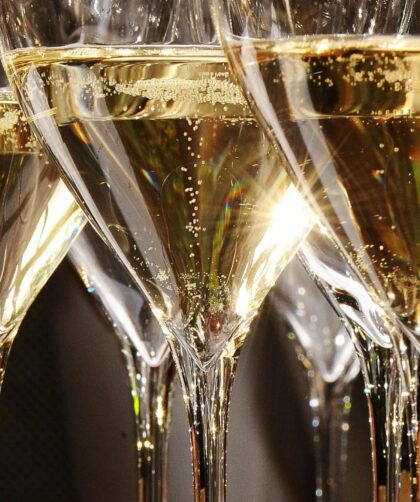
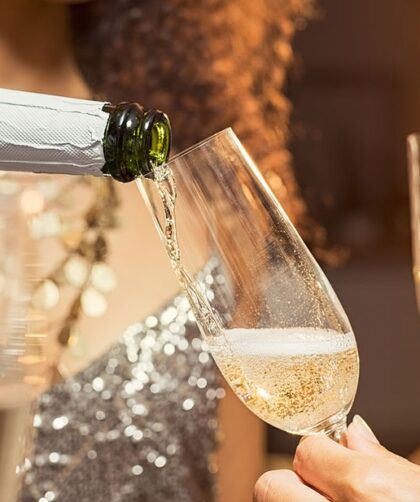
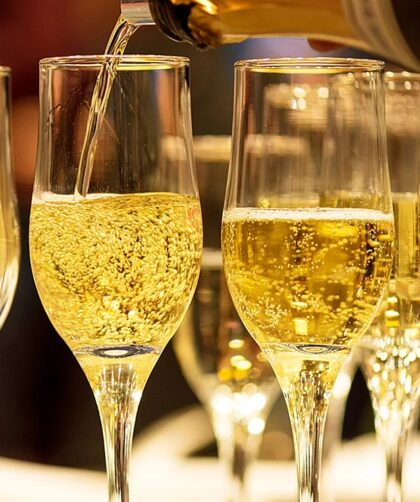
Glasses for the white wine are narrower with tulip-shaped or straight sides. Its narrowness lets a chilled white wine to keep its temperature. Champagne wine glasses are tall, with narrow bowl on the top. This design is intended for the sparkling wines to remain desirable when consumed.

Print4Half.Com has newly launched variety wine glasses to fulfill your needs. Popular wine glasses include 10.25oz. Vina Tall Wine Glass, 10oz. Citation Wine Globlet Glass, 11oz. Sofia Twist Stem Wine Goblet, 12.5oz Citation Red Wine Glass, 12.75oz. Vina Wine Taster Glass, 12oz Aficionado Wine Glass, 13.5oz Aficionado Balloon, 16.75oz Red Wine Glass, 17oz. Cobalt Blue Stem less Wine Glass, 17oz. Cobalt Blue Stem less, 18 1/4oz.Vina Diamond Balloon Wine Glass, 6 oz. Vina Tall Wine Glass, 6.5oz Libbey Citation Tall Wine Glass, 8.5 oz. Vina Tall Wine Glass, 8oz Aficionado Wine Glass, 8oz Libbey Citation Wine / Beer Glass, 9oz. Sofia Twist Stem Wine Glass, 8oz. Napa Country Custom wine glass, Stem less Red Wine Glass, Stem less White Wine Glass and more with unique – standard designs.

For wine lovers, Print4Half.Com shares ideas with special variety wine glasses that include fruity red wine, tangy white wine, full bodied wine, dry wine, sparkling wine, and even sweet wine. Red wine is ideal for main course meals such as meats, while white wine is ideal for seafood and white meat. Sparkling wine on the other hand, is ideal for special occasions. If you are giving the gift basket as a wedding present, sparkling wine is a choice that you can’t go wrong with. Sparkling wine is one of the most popular types of wine – perfect for weddings and anniversaries.

Read the full article →

A Guide to Buying Australian Wine

February 17, 2010

Why buy wine?

In Australia, wine has become the new beverage of choice for people in all walks of life. Moreover, Australia has developed an enviable reputation amongst wine drinkers and appreciators the world over. Myshopping.com.au can help you make the right selection of wine for any occasion and to suit any taste. Listed on our website, you will find some of the most celebrated labels and award winning wines and you can make a selection based on reviews, price and supplier, regardless of why you want to purchase wine.

Wine

There are essentially three reasons that we can think of why you might want to buy wine: to drink in some social occasion, to give as a gift, or as an investment with a realisable future.

Buying wine to drink

Winemaker Greg Gallagher at the Charles Sturt University, South Australia, says judging a good wine is simple. “It starts with asking, ‘do you like it?’ ” he says, “and finishes with ‘did you like it?’” When you have a list of favourite wines, all you need to do is find them on Myshopping.com.au, and you will find out where it’s sold for the best price.

But, because it’s not always easy remembering the name, style and vintage of the wine you enjoy, it’s a good idea to keep a record of wines you drink that you really like (and those that you’d prefer to avoid), for future reference.

When you’re buying wine to drink, there are a number of considerations you might like to bear in mind, the first being: what is the occasion? It stands to reason that a wine for an intimate dinner with a partner might be a different choice than one for a footy night with the boys. Sharing a wine with someone is a lot more than simply sharing the drink. It’s also sharing your taste, your values and your standards, so it pays to think carefully about the occasion and the company with whom you are sharing the wine.

A second consideration might be, what is accompanying the wine? Wine is often enjoyed with a meal, but you might like to consider also how the occasion (or meal) will develop. Matching the perfect wine with the perfect food and mood is an exhilarating experience, and is often at the heart of great memories.

You may also want to consider the ambience of the occasion. A wine for enjoying at an evening symphony concert will have a different character to that enjoyed at a beach picnic.

Buying wine as a gift

Wine makes an excellent gift for many reasons. It’s an easy purchase; you can buy a wine to suit practically any budget. And it is a demonstration of your taste and standards, subtly imparted to someone whom you may care for.

However, as well as meeting your taste standards, you also need to choose a wine that will meet the tastes of the receiver. It pays to find out what sort of wine that person enjoys, and buy within that person’s style or region preferences. A person who enjoys sweet white wines will appreciate a gift that matches that personality.

Buying wine as an investment

Some wines make a good investment because they are rare and have an established reputation causing them to appreciate in value. Possibly the most famous of these in Australia is Penfolds’ Grange Hermitage, a Shiraz style Claret that has been made since 1951 (a bottle of that vintage now might set you back $50,000 or more if you can find one). Although young in terms of wine heritage, Australia has some notable wines that do and will appreciate in value.

A good investment wine is not necessarily a guarantee of a high quality drinking wine. The investment values are arrived at by reputation. A particular vintage may have enjoyed popularity for any number of reasons and become scarce because only a limited number of bottles were produced. What results is a collectors market and wine changes hands through auctions, private sales, estate dissolutions and wine club memberships.

What makes a good investment wine however, is the fact that you are able to sell the wine at some future date for a sum greater than what you paid. Therefore the condition of the wine-or more importantly, the bottle-is of paramount consideration. The provenance of an investment wine is important. Before buying, you need to establish its history of origin and previous ownership. Satisfied that the bottle is in good condition, once in your possession it needs to be cellared correctly in the absence of heat, light and movement. You should document your ownership and the conditions of its cellaring before selling it to a new buyer.

What makes good wine?

The winemaking process

The quality of a wine is affected by a wide variety of factors that occur in and as a result of the winemaking, cellaring and handling processes. One of the key factors is the terrain and climate, commonly referred to as a ‘region’, where the grapes are grown. Different conditions affect different varieties differently. A Shiraz style from McLaren Vale in South Australia, for example, is a heavier and darker wine than the same style from the Swan Valley in Western Australia, which tends to be lighter and more peppery. A Chardonnay from the Hunter Valley is more full-bodied than one from Margaret River.

While knowing which vines are best suited to a soil type and climate is one aspect, another is knowing when to pick the fruit for particular effect. The fruit’s flavour at the time of picking is a major character of the residual flavours of the wine. After initial fermentation, some winemakers choose to ferment in oak, others not to. Using oak affects the reduction of tannins in the wine. Different types of oak-English, American, old-affect the flavour and character of the wine as it matures to its nominal alcohol level. It is in the barrel that a lot of transformations in flavours and character occur, and a great deal of skill is required to know exactly when to bottle the wine.

Different winemakers have different techniques and, while a good wine can’t be made from bad grapes, it is largely the winemaker’s skill that produces a good wine.

Taste

One of the ways we can tell the quality of wine as judged by its taste, is whether it has had successes in any of a number of wine shows held around the country. Experts from the wine industry judge wines on their quality and medal winners enjoy the benefits of being recognised and written about in the main media.

While not every medal winner is a wine that suits our taste, it is as a direct result of the shows and competitions that Australian wines have grown in popularity and quality. At Myshopping.com.au you can compare many award winning wines.

What’s your taste?

Regions and style

When you are shopping for wine, one of the first questions to answer is whether you are choosing a red wine or a white wine. Once you have decided this, you can then start to narrow down the different styles. Begin with the question of whether you are seeking a dry wine or a sweet wine.

Styles of wine are named after the region from which the grape originated. In the popular dark reds you have the Cabernet Sauvignon, Shiraz and Merlot styles that tend to be drier wines. Lighter reds feature Beaujolais, Pinot Noir and Rose styles and these tend toward sweeter wines.

Popular white wines include the Chablis, Riesling, Semillon, Chenin, Sauvignon Blanc and Chardonnay styles in dry wines, with Traminer Riesling, Moselle and late picked Verdelho in the sweeter styles. Aperitifs include sweet and dry sherry and Marsala. Dessert wines include Sauternes, Muscats and Ports.

Many wines are now presented as blended wines, a way to offer wider variety in taste and a way to use up less popular grapes and thereby minimise waste in the industry.

Australia has more than a dozen identified wine growing regions that produce distinctive wines of the main styles. The Barossa Valley in South Australia is possibly the most famous region with the richest heritage, and features many labels from subregions such as Claire Valley, McLaren Vale, Langhorne Creek and the Adelaide Hills. These regions produce some of the most spectacular Riesling wines, and Shiraz styles in the country. East of this region, near the border with Victoria lies the Coonawarra district (also known as Riverland), famous for its Cabernet Sauvignon. In Victoria lie the Yarra Valley and Mornington Peninsular districts. The Goulbourn Valley lies on the border with New South Wales. The Hunter Valley in New South Wales produces some of Australia’s finest wines, while in the West, Margaret River, t4he Swan Valley and the Plantagenet districts all produce fine wines.

Trends

Recent economic conditions and consecutive years of oversupply have changed much of Australia’s wine market. There are many small boutique wineries whose products can be bought direct from the cellar door. Many of these wines are featured on Myshopping.com.au by style and region.

The wine industry is encouraging the buying of wines and cellaring them (storing them in a cool place) for a period of time and enjoying them at a later time. To cellar your wine, store it somewhere cool, dark, airy, and free from vibration and dampness. Temperature stability is the most important factor in preserving wine in the cellar. Storing wine in an environment where the temperature varies gradually with the seasons is better than in a room that varies with the day and night.

For long-term storage, the ideal cellar temperature is 18 degrees Celsius and a relative humidity of 60-75%. Warmer conditions accelerate the development of wines, which could mean a reduction in the pleasure of drinking them.

The second phenomenon to occur through oversupply is the introduction of cleanskins, a method of selling wine without a brand label. This is presented as being ‘money saving’ because of a reduction in marketing expense, however the real cost saving per bottle is around 3-5 cents (the cost of printing and applying a label).

Cleanskins enable a wine producer to present a lower cost bottle, but this is mostly achieved by not having to identify the origins of the grape, or the varietal blends that make up the wine. And while it is true that some cleanskins are eminently drinkable wines, evidence suggests that they are generally of a far poorer quality than branded label products. It is suggested that you taste the wine before purchasing any cleanskins.

Wine is a high fashion product, and wine trends emerge on a regular basis. The best way to follow these trends is to shop using Myshopping.com.au—comparing prices and suppliers, and following medal winning labels.

Read the full article →

The Glossary of Wine Terms

February 12, 2010

Acetic; This is what happens when the wine is exposed to air. It develops a vinegary taste or smell.

Acidity; All wines contain some level of acid. The acid level needs to be in a proper balance with the other components and fruits in the wine so that you should be able to taste the crispiness and liveliness of the wine. This acidity is also vital in the aging process of the wine.

Aftertaste; This is the impression of flavor that you will get once you have swallowed the wine. It is also called the “finish” of a wine.

Aroma; The smell of wines, especially that of young wines.

Aromatic; This is a term that this used for wines that have a distinct aroma, especially those with herbs and spices in them.

Astringent; This term is used when the tannin level in the wine dries out the mouth.

Austere; A somewhat hard tasting wine, where the character and fruitiness have been restrained.

Big; A full bodied powerful in aroma wine.

Bitter; This is usually considered as a fault bit it is also a characteristic of certain Italian wines.

Body; The weight and texture that is found in wines. You can describe a wine as light bodied or full bodied.

Bouquet; The intermingling of aromas that fine aged wines produce.

Breed; This is the term that is referred to as the bloodlines of the wine grapes. It is also used when noting the soil, the grapes and the techniques that are used to produce a good quality wine.

Chewy; This term is used to describe wines that have an unusual thick texture to the wine. It feels like you need to chew the wine before you swallow it.

Clean; Fresh wines that seem to have no defects. This term also refers to the aroma, appearance and flavor of the wines.

Complete; A mature wine that has a satisfying feel and a great aftertaste on the palette.

Complex; This is where you will find a combination of flavors and aroma elements in various types of wines.

Corked, corky; The wines smell like cork rather than wine. This is because it was bottled in correctly.

Deep; A wine that has many layers of taste that slowly reveals itself.

Delicate; A light fragrance, body and flavor in the wine.

Distinctive; An elegant and refined character in the wine that sets it apart.

Dry; There is a little amount of sugar in the wine.

Earthy; You can detect this in certain wines. The smell and flavor is bit like the earth or soil.

Elegant; A refined charactered wine. This is usually to describe a stylish and quality wine.

Extra dry; You can find this term on champagne bottles as they describe the wine.

Fat; A wine that is full of flavor and body.

Fine; A distinguished wine.

Flat; A wine that is lacking in liveliness. Also a wine with an insufficient amount of acid.

Flavor; Describing how the wine tastes.

Full; Describes a wine that has a rich body

Green; A tart wine that is made from unripe grapes. Also has a lack of fruit flavoring.

Grip; Firmness of structure and flavor.

Hard; Stiff and undeveloped.

Heady; High in alcohol and very full bodied.

Herbaceous; Aromas that are reminiscent of fresh grass or hay. It can also be a characteristic of some wines like Cabernets.

Honeyed; You will find a taste or smell that is like honey.

Intricate; The interweaving of subtle flavors and aromas within a wine.

Legs; The rivulets of wine that you see running down the sides of the glass after swirling or sipping the wine.

Length; The lingering aftertaste that you get from a wine.

Light; This refers to wines that are light in alcohol, weight and texture. The feeling that you get in the mouth when you drink the wine is also described as light.

Lively; A fresh wine that has vitality and crispness.

Mature; A fully developed, ready to drink wine.

Meaty; This is a wine that is firm in structure with a chewy, fruity taste.

Mellow; A smooth, soft wine that has no harsh characteristics.

Noble; Wines that have a great balance and a harmonious expression. The wines that are made from these types of grapes are considered as the finest wines in the world. You can find Merlot and Cabernet among this lot.

Nose; The smell that comes from the wine. You can get “good nose” or a “bad nose”. A term used to detect faults in the wine.

Nutty; A nutlike aroma that develops in some wines.

Oak, oaky; This is the flavor and aroma that comes from aging the wine in oak casks or barrels. The taste is a mixture of vanilla, spices, smokiness and cloves.

Open; You can get the full character from the wine.

Oxidized; Flat, stale wines. Wines that have a sherry like and flavor and aroma. The state where wines becomes spoiled due to exposure to air.

Petillant; A light sparkle that can be seen in the wines.

Rich; A full, opulent wine with good body and aroma.

Ripe; Mature, fully ripe fruit.

Robust; A powerful, full bodied and heady wine.

Sharp; Biting or acidic.

Smoky; The aroma and flavor that a wine can get from being aged in an oak barrel or casket.

Sparkling; This is used where there are bubbles that are detectedable in the wine.

Spicy; A wine that has the characteristics of spices like cloves, mint, pepper and cinnamon.

Structure; The way that a wine in made with regard to its proportions and composition.

Supple; A wine that is yielding in flavor and is ready to drink.

Sweet; This usually indicates the presence of grape sugar that have not been completely converted to alcohol.

Tannin; This is a natural substance that is found in the skins, stems and seeds of certain grapes. This substance is also a major component in the structure of red wines.

Tart; A sharp wine that is acceptable to drink if it is not acidic.

Thin; Lacking in body and flavor.

Tired; Where a wine is past its peak flavor development. Old.

Vanilla; You will get this scent from the aging process of oak caskets.

Velvety; Smooth and very rich in texture.

Vigorous; A wine with a firm, strong body and flavor and a lively fruitiness.

Vinegary; Having the smell of vinegar.

Watery; Thin and lacking in any flavor.

Weedy; You will get the flavors and aromas of grass or hay. This scent becomes unpleasant only in excessive amounts.

Weighty; Forceful, strong, full bodied and powerful – terms to describe wines.

Woody; The aroma that comes when wine has been over aged in barrels or casks.

Yeasty; A bread smell that can be sometimes found in wines that have gone through a secondary fermentation process like champagne. Can be appealing if it is not excessive.

Young; Simple fine wines that have yet to become mature. Still undeveloped.

Read the full article →

An Informational Guide to Wine Tasting

February 7, 2010

Think that you aren’t sophisticated enough or don’t fit in the right income bracket to enjoy wine-tasting? Think again. These tips will help you fake your way through a wine-tasting session – or develop a lifelong Epicurean hobby (the finest pleasures, not the most!).

Supplies – All you really need is a good wine glass, some wine, and preferably some good company.

Glasses – Obviously if you are at a wine-tasting party or tasting the wares at a winery you won’t be bringing your own glass (or wine, for that!), but when you decide that it is time to get your own wine glasses first look for a clear glass (you definitely want to be able to see the color, especially as a beginner). Your glass should curve in a bit at the top so you can swirl it without spilling. Some companies try to sell glasses that are supposedly matched to certain wine types, but taste-tests have shown that people rarely prefer wine from it’s matching glass. Instead, a good hand blown crystal glass is often preferred.

Wines – There is way too much that could be said about different varieties of wines than this article could cover. Nevertheless, we’ll try to cover some basic categories of wines and distinct varietals that you might come across. The two main types of wine are red and white. Red wines are made from black grapes fermented with skins and pips. Red wine can be dry or sweet. Some of the more well known reds are Cabernet Sauvignon, Merlot, Pinot Noir, Zinfandel, and Sangiovese. These names refer to the types of grapes which the wines are made from, and there are about 40 major types of grapes used for red wine. Wine regions have standards as to what percentage of a wine must be a single sort of grape to be classified by that grape used for its creation – in California it must be 75% while in Alsace it must be 100%. Many wines, however, are a combination of different varietals, the term which refers to a single grape wine. White wines can be made from either white or black grapes. There are over 50 major white grapes grown round the world, the three most important of which are Riesling, Sauvignon Blanc, and Chardonnay. White wine is usually considered to be more refreshing than red wine. There are a number of other wine types. Pink wines include Blush types and Rose (pronounced row-zay). Blush originated in California and is usually made using Zinfandel grapes with the peels left in for a time and then removed. Rose, while in processing is actually an unfinished red, but in taste is refreshing like a white with some of the flavors of a red.

Sparkling wines and Champagne are sometimes produced by the same method, but only those made in the north of France are technically Champagne. Sparkling wines are created by adding yeast and sugar to table wine. The so called Methode Champenoise, also known as the Classic Method, is painstaking, and cheaper bubbly is usually mass-produced using a slightly different method. There are a few types of “desert wines”. Port starts a as a wine fermented from 40 or so types of grapes. The must is poured off after a short period of fermentation and then the young wine is re-barreled for a year or two before being bottled. Port usually requires 15-20 years of bottle aging and then it is a sweet, fortified wine often taken with cheese and nuts. Madeira is fortified with alcohol and then heated, either artificially or by storing in a hot attic. Originally, Madeira was created by being shipped – you know, back in the day when shipping meant in the hull of a ship – through the tropics, where it was heated. Sherry is a blended wine that is also fortified. Extra room is left in the barrel and a special yeast is addec. Fruit wines are fermented from any other fruit than grapes. Common fruits used include raspberries, blackberries, cranberries, blueberries, or cherries. Fruit wines have a monster-sized taste, partly due to the large amount of fruit used to create them. They are usually fermented in cold conditions, which helps keep the natural fruit flavors (nobody likes rotten fruit…). Fruit wines are especially good with dessert and are sometimes used in sautéing or other cooking. Other supplies.

As for the company, if you’re in the United States, make sure everyone is over 21. Laws are getting tougher on people who supply underage kids with alcohol – so even if you are a parent, if you supply a minor with alcohol, you may be held responsible if they are hurt or hurt someone else. If you are hosting a wine-tasting party, there are a some more supplies that you will need to have. Be sure to have water available for people who get thirsty. Snacks are important. Provide snacks that either compliment the wines or cleanse the palette. Snacks also help insure that people won’t become intoxicated. There are a number of different types of tasting parties, some of which will be quite expensive, but which could also be as cheap as $15 per person. If you’re going to serve dinner, wait until after the tasting session.

Tasting Technique – Some of you out there might be asking, “What technique can there be to tasting something? Put it in your mouth and taste it!” First of all, you’re right. There are some wine snobs who will say that there isn’t much point in drinking some wines, and they’ll point to rating guides saying that you should drink wine with a certain rating to cultivate your taste for fine wines… Drink wine that you like, not what other people tell you that you ought to like. Hopefully this guide will help you decide what you like. However, if you are getting into wine-tasting I am guessing that you desire to learn more about one of the finer pleasures in life – if you’re drinking to get drunk, there are faster or cheaper ways to do it than wine-tasting. That said, there are three stages to wine-tasting: Look, smell, and taste.

Look – Pour yourself a small amount of wine, perhaps an inch or so. Hold your glass up to the light or against a white background and observe the color. Red wines can be lighter or pale reds, but they also range to brownish reds. White wines are usually greenish or brownish and typically gain color with age. The tint observed at the “rim” allows expert tasters to judge the age of the wine – a purplish rim might be a younger wine while older wine usually has an orange or brown rim tint. Swirl the wine and see what sort of body the wine has. Also called the “legs”, body refers to the viscosity. A more mature wine will have more body.

Smell – Swirl the wine and hold your glass to your nose. Some tasters prefer taking on deep whiff while others will take a small whiff for the impression followed by a deeper impression. Either way, pause to get a good impression of the smell before moving on to the actual tasting stage. The aroma, also called the “nose” or “bouquet”, should remind you of things that you might smell in nature. The smell usually correlates with the taste, and wines might smell fruity, or earthy, or woody, or spicy, or any number of combination of things. Try closing your eyes and imagining yourself someplace else – perhaps in the middle of an outdoor market. What is it that this wine’s smell makes you think you might be standing near? Most good wines have a pleasant flavor in both smell and taste, though some wines – even some good ones – don’t really have a nose at all.

Taste – Take a sip and swish it round your mouth – front to back and side to side, and you might even want to breath in a bit. While your taste buds aren’t really separated out on different areas of your tongue, swishing helps you utilize all of your taste buds. The initial taste may be a bit different than the overall impression you get after swishing, and another important aspect of taste is the aftertaste. In France they even have a rating system for aftertaste – if the aftertaste lasts for 1 second, it is given 1 caudalie 2 seconds is given 2 caudalie, and so on. Highly rated wines often leave the strongest and longest aftertaste. Balance is the key to the taste of a wine. The four main components to the taste of a wine are sweetness, acidity, tannin, and alcohol content. If the wine is unbalanced in one of these areas it will be noticeable. The sweetness will probably be the first thing that you notice about the taste – especially if it is particularly sweet or particularly bitter. To think about acidity, consider the difference between drinking milk, water, orange juice, and grapefruit juice. Acidity makes the wine taste crisp, but it is overly acidic it will have a bit too much of punch. Tannin can also be a bitter sort of a flavor and it comes from stalks and skins of red grapes. Tannin is present in strong black tea and are most notable in young wines. The tannin flavor tends to mellow as wine ages. Alcohol content will make the wine range from a sweet flavor to the fire taste that accompanies higher alcohol content. Another characteristic to consider when tasting a wine are to feel the body of the wine in your mouth. Is it more or less viscous? Think about the fruitiness of the wine and try to compare different wine flavors to different fruits. What is the overall impression of the wine? Do you like it initially or not? There are times when tasters will spit out the wine that they are tasting instead of swallowing. Typically this is only done when tasting a very large number wines, or if you happen to be a professional tester or are participating in a wine review of some sort, in which case, keeping a clear and level head may be important.

Note taking – I know none of us want to go back to high school, but taking notes is beneficial to all wine-lovers, not just professional tasters. Having a collection of notes on different types of wines can help you select a good wine at a restaurant, or bring a good wine home to have when you invite the boss over for dinner. There are some particular methods of note-taking for wine-tasting, and some websites or books offer questionnaires that can be used to evaluate wines. There are special terms that some wine-tasters use, but especially at first, simply writing down things that the wine flavor or aroma remind you of might be the best that you can do. Write down your reactions to the various stages of testing – look, smell, and taste. Recording your overall impression is important – if you don’t like a wine, you can try a different one the next time. Perhaps write down some foods that you think that particular wine would be good with, and then you can check back in your notes when deciding what to serve with a particular dinner.

Wine Etiquette – There are a few things that you ought to know before serving wine, and likewise there are also a few bits of etiquette that you would do well to know before attending a wine-tasting event.

Serving wine – The right temperature for serving wine varies from wine to wine, and different people prefer different wines at different temperatures. Generally, folks prefer red wines around 65 degrees F, white or Rose wines closer to 55 degrees, and Champagne or sparkling wines are generally preferred around a chill 45 degrees F. Each variety of wine tastes a little different at different temperatures. You might want to include in your notes what temperature you taste wines at. To chill the wine, fill a bucket with ice and cover the ice with water. Submerge the bottle in the bucket. To go from room temperature to the proper temperature, put red wine in for about 5 minutes, white wine for 10 minutes, and Champagne for 15 minutes. Some people (not wine snobs, usually) even toss an ice cube or two in a glass of wine to chill it quickly. Spend a minute learning how to pop the cork properly. Don’t bend it. Pour the cork out with a about an ounce of wine to remove any debris from the cork and to check the wine out. Some folks prefer to decant the wine to remove any other particles that have settled out of the wine. Keep in mind also that it is usually recommended to allow red wines to “breathe” for an hour or so before serving. Breathing the wine for two long, however, will cause the wine to taste dull and flat When pouring, don’t touch the bottle neck to the glass and hold the bottle around the body instead of the neck. You can hold a napkin below the neck to catch dripping if you prefer. Fill the glass to no more than two-thirds full, though preferably to only about half full. If there is leftover wine and you can’t convince anyone to finish it off, you can save what wine is left, but don’t just re-cork the bottle. Find a small container – small to the point where the wine might be overflowing from it (perhaps a small, 375 mL wine bottle). In fact, when you close the container, whether with a cork or a plug or a lid of some sort, there should be a little bit of spillover. Because the main issue with saving wine is keeping it away from oxygen, doing this will prevent oxidation from happening. Store this container in the refrigerator and it should keep for about a week without becoming to stale.

Cellars Wine Club is the Best

Read the full article →

How to Make Homemade Wine

February 7, 2010

How to Make Homemade Wine | Discover How to Make Your Own Unique Wine

If you want to learn how to make homemade wine, there is no reason for not doing it. You don’t need a license, a cellar, and the utensils you need are probably in your home to begin with. It doesn’t take a lot of work either to learn How to Make Homemade Wine.

The first issue you need to learn is the do’s and don’ts of winemaking.

Do
- Rack at least once, and twice if possible.
- Use new corks and boil the old ones.
- Keep your first ferment covered.
- Keep the secondary fermentation air-free.
- Keep your equipment clean.
- Keep all bottles filled.
- Add sugar by stages and keep records with high level of detail.
- Keep red wines in dark bottles so they don’t lose their color.
- Use trustworthy yeast nutrient frequently.
- Make wines too dry rather than too sweet: add sugar later.
- Use fermentation traps.
- Taste the wine at intervals to make sure the process is going well.

Don’t
- Sell your wine. It is illegal. Don’t try to distil your own wine either.
- Let vinegar flies come in contact with your wine.
- Use metal containers.
- Use tools or containers made out of resinous wood.
- Forget to stir a must twice a day.
- Use too much sugar.
- Try to speed up fermentation by increasing the temperature.
- Be impatient.
- Let dead yeast or sediment anywhere close to your wine.
- Filter for no reasonor too soon.
- Store your wine in unsterilized jars or bottles.
- Bottle your wine before it’s done fermenting.
- Employ screw-stopper bottles.

Now that you have a good sense of what you should do and what you shouldn’t, I will share with you one of my favorite wine recipes and in no time you can learn How to Make Homemade Wine.

Either black, green or amber grapes can be used for this recipe and the resulting wine will suit almost every taste.

2 bags (4 lb.) of grapes – 2 bags (3½ lb.) of sugar – 1 oz. yeast
1 gallon water.

Separate the grapes from the stalks and then crush them by hand. Pour the boiling water over them and leave to soak for forty-eight hours. Strain and put the juice through a jelly-bag. Allow to drain and then pour into the fermenting vessel and add the sugar.

Mix until the sugar is dissolved -this will take a lot of time with cold grape-juice. When all the sugar is mixed well sprinkle the yeast on top and stir in. Seal, and ferment for fourteen days; after which proceed with bottling. It’s so much bliss to learn How to Make Homemade Wine.

If you want to get over 145 step-by-step recipes and learn all the secrets to making your own wine, visit my website: www.SecretsOfWinemaking.com – How to Make Homemade Wine

Read the full article →
Page 1 of 212